Concord, CA · Garage Door Service
Garage Door Repair Built for Concord's 1960s and 70s Homes
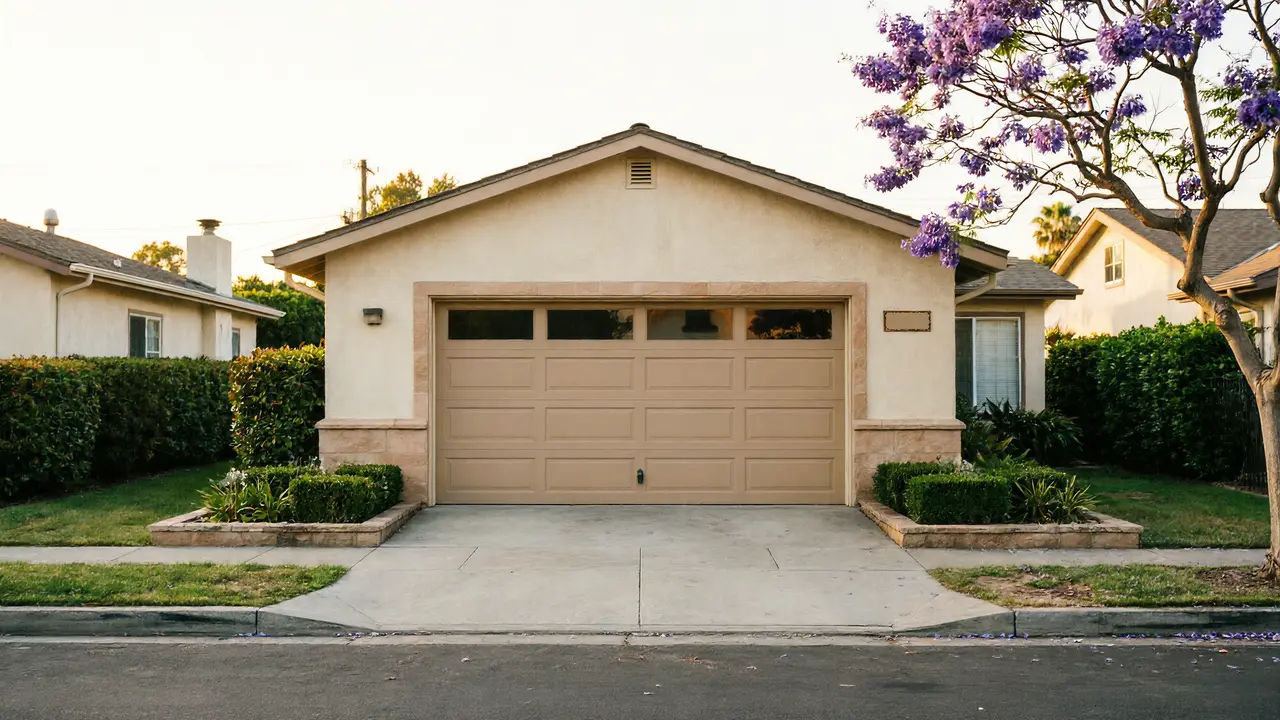
Concord Garage Door Pros fixes springs, openers, and tracks on the 1960s-70s doors common across Concord and nearby Pacheco, Clayton, and Pleasant Hill homes.
- Repairs & new doors
- Springs & openers
- Serving 6 nearby communities
What We Do
Garage door services in Concord
From a snapped spring to a full door replacement - repairs, springs, openers and new doors.

Garage Door Repair
Off-track doors, snapped cables, bent panels and grinding openers - diagnosed and fixed.
Learn more
Spring Repair
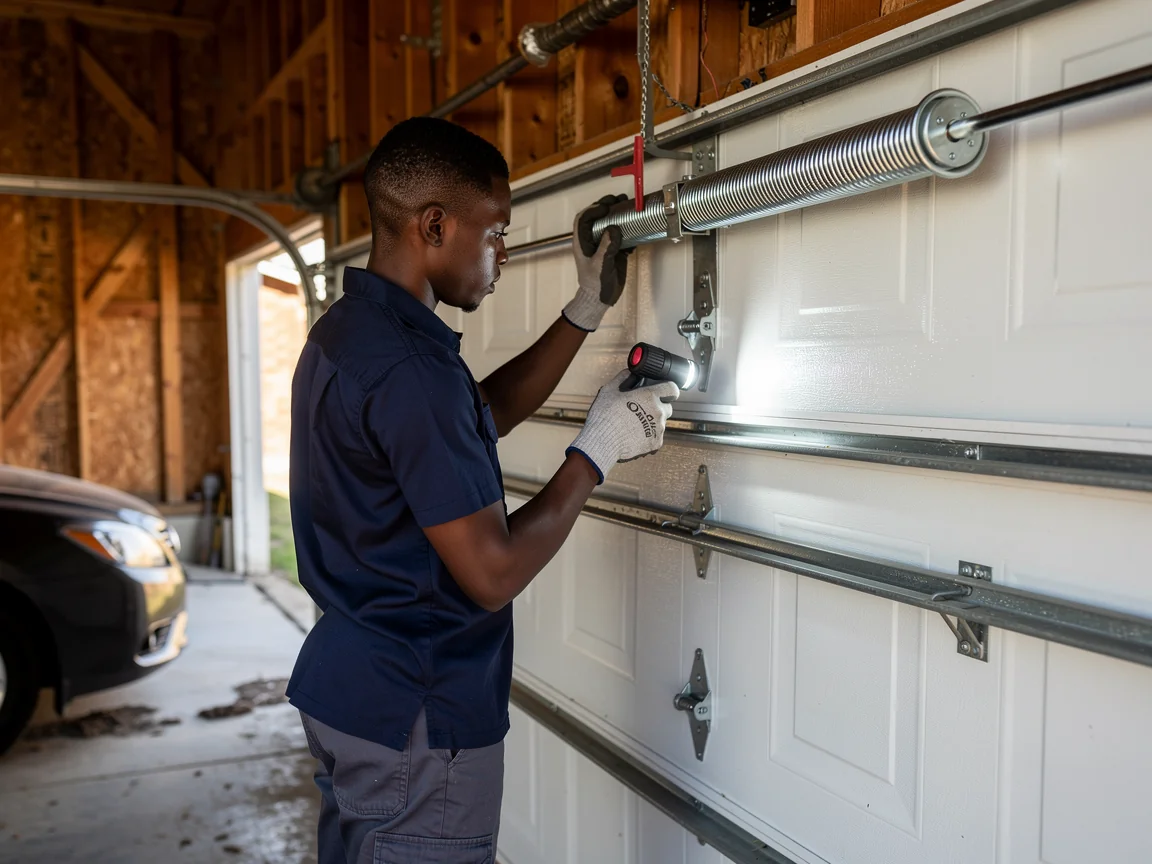
Torsion and extension springs replaced safely - the job you should never DIY.
Learn more
Opener Installation
New openers sized to your door, wired, programmed and safety-tested.
Learn more
Emergency Garage Door
Fast help for a door that's stuck, off-track or won't secure.
Learn more
Panel Replacement
Dented or cracked sections swapped for a match without replacing the whole door.
Learn more
Roller Replacement
Worn nylon or steel rollers replaced to kill the grinding and shaking.
Learn moreCommon Problems
Garage door problems we fix in Concord
A stuck or broken garage door can't wait. Call and tell us what the door is doing - a snapped spring, a frayed cable, a door off its track or an opener that won't respond - and leave a spring-loaded door closed until a tech has looked at it.
- Broken springs and snapped cables
- Doors off the track or stuck shut
- Opener, remote and sensor failures
- Noisy, slow or unsafe doors

Why Concord Calls Us
How we work on Concord garage doors
Safe spring work
Torsion springs are wound with proper winding bars - never a do-it-yourself job.
Cause first, then the fix
The tech finds what failed - spring, cable, roller or opener - before recommending a repair.
We come to you
Service visits across Concord and nearby communities.
Repair or replace
For an older door you get a clear comparison of repairing it versus a new door.
Based in Concord
A Concord-based business you can reach directly by phone.
Call or book online
Call (925) 255-9108 or request a quote online.
How It Works
Getting your door fixed is simple
Tell us the symptom
Call or request a quote and describe what the door is doing - noise, off-track, won't open.
On-site diagnosis
A tech inspects the springs, tracks, opener and panels and gives you a written price first.
Repaired or installed
Most repairs are done on the same visit; installs are scheduled around you.
Our Work
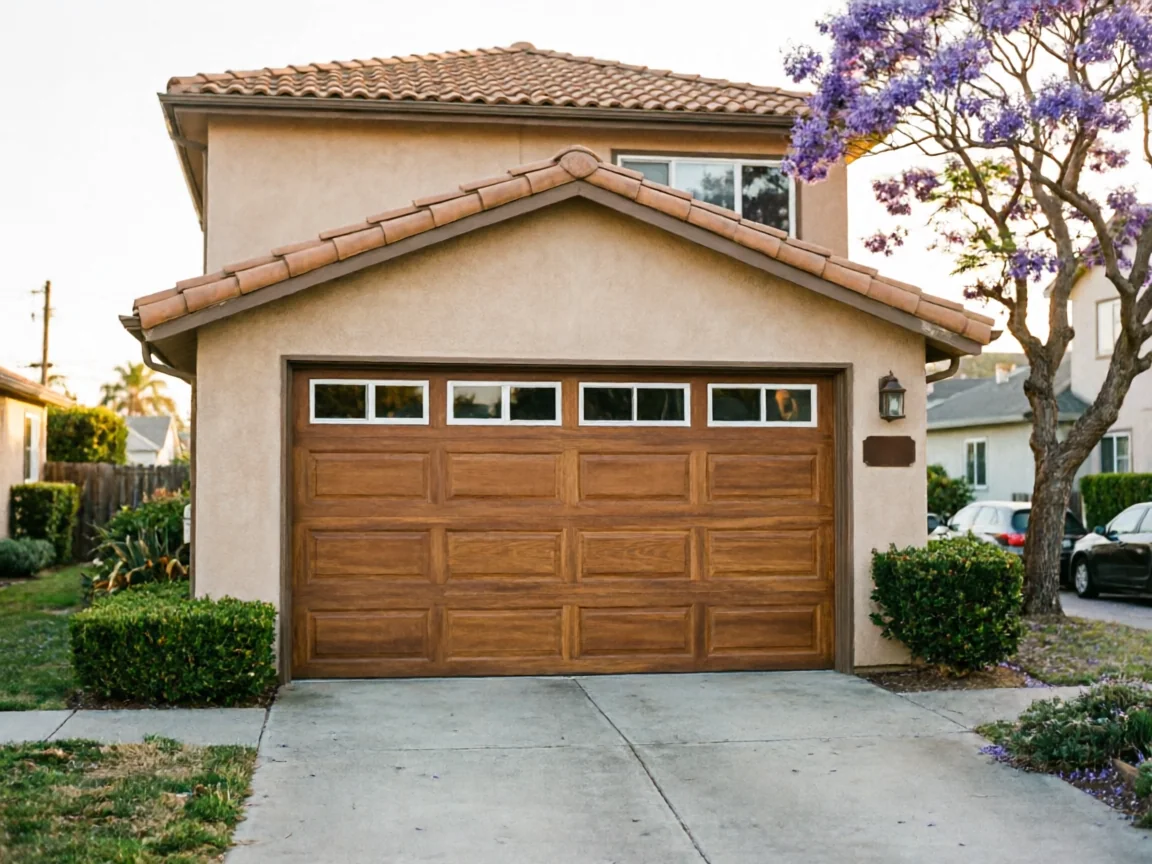
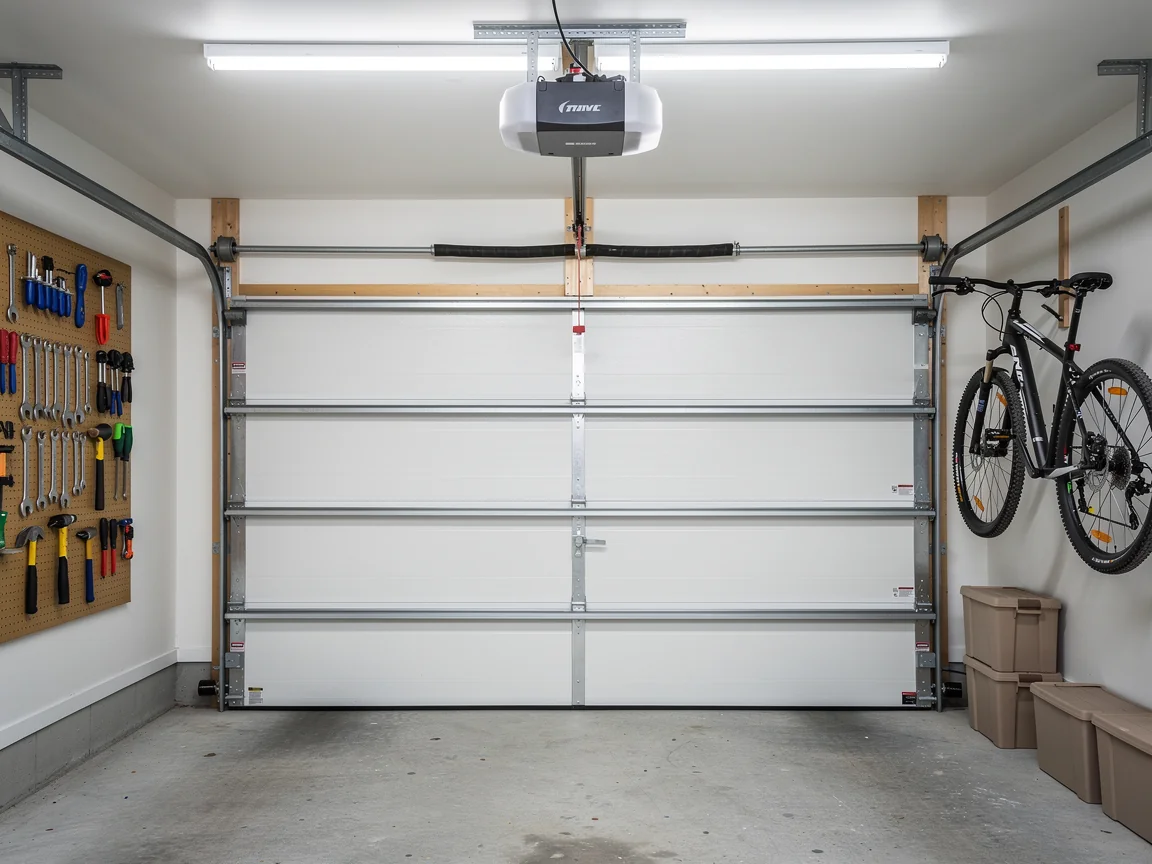
Recent garage door projects in Concord
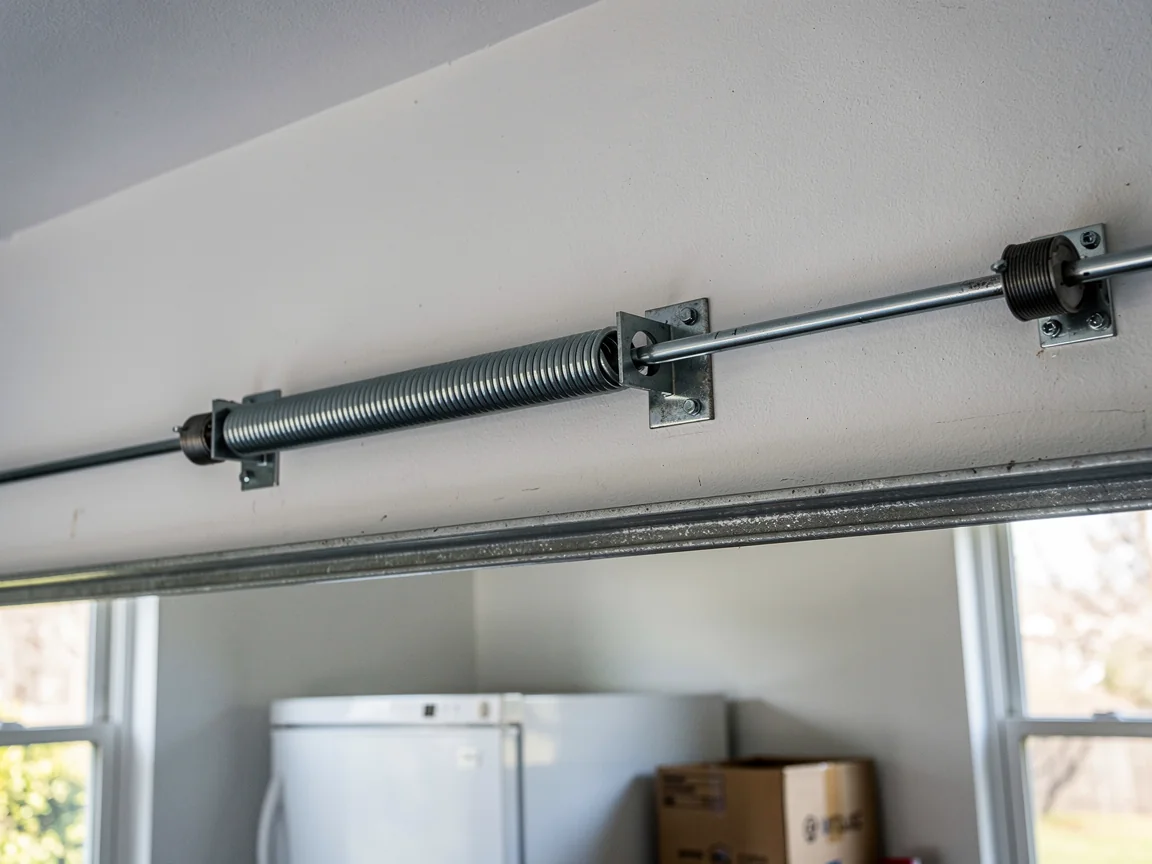
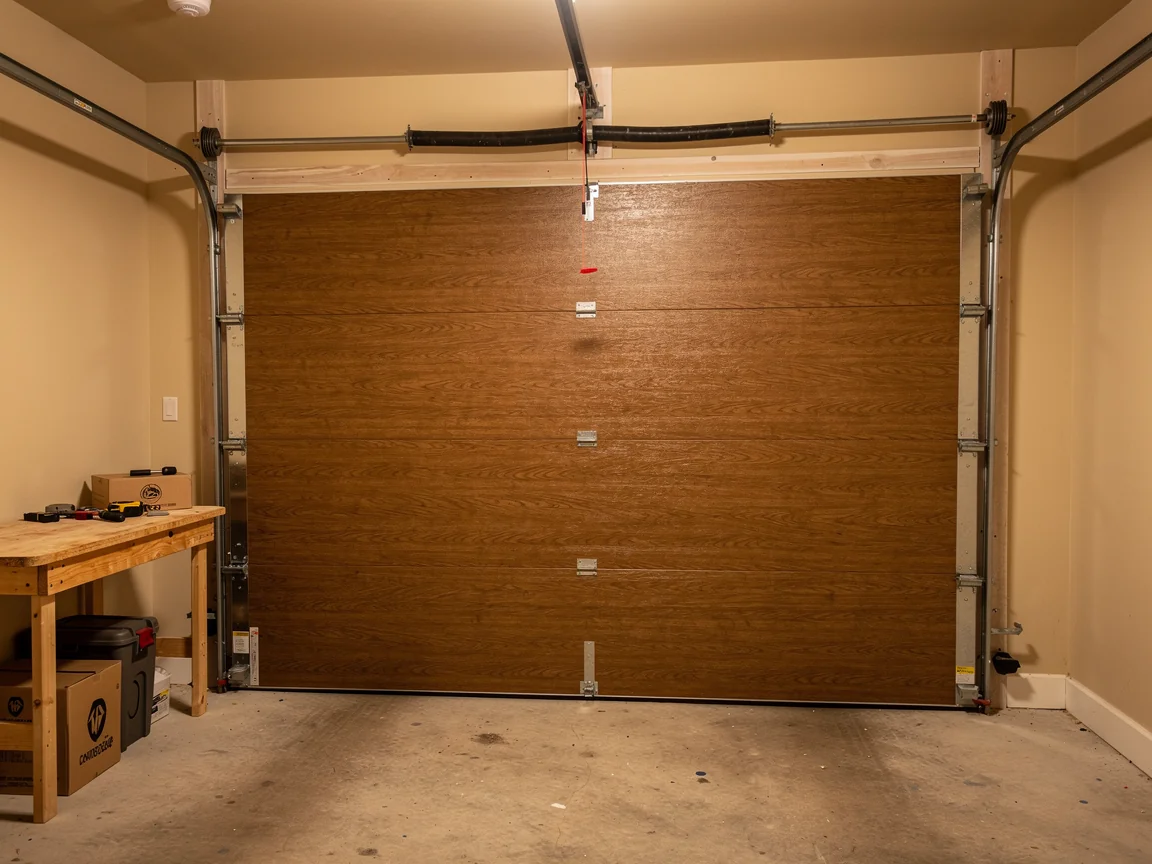
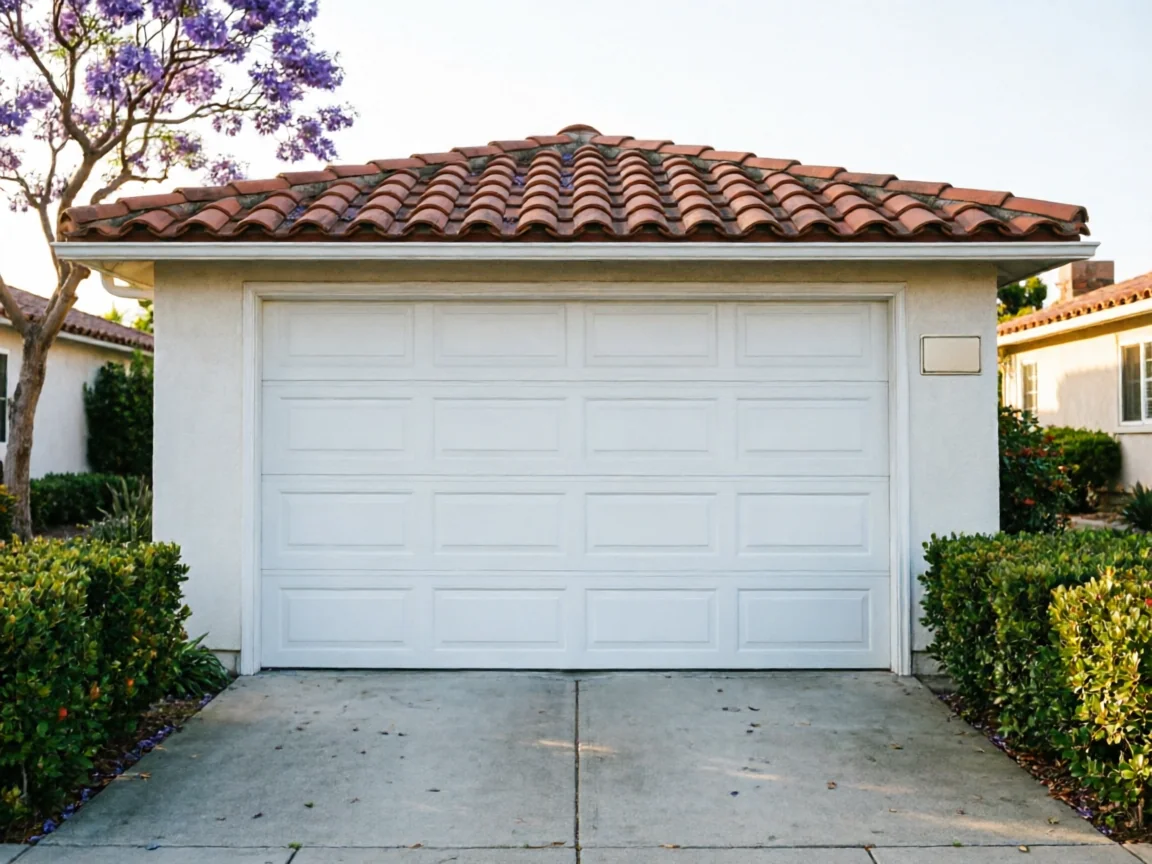
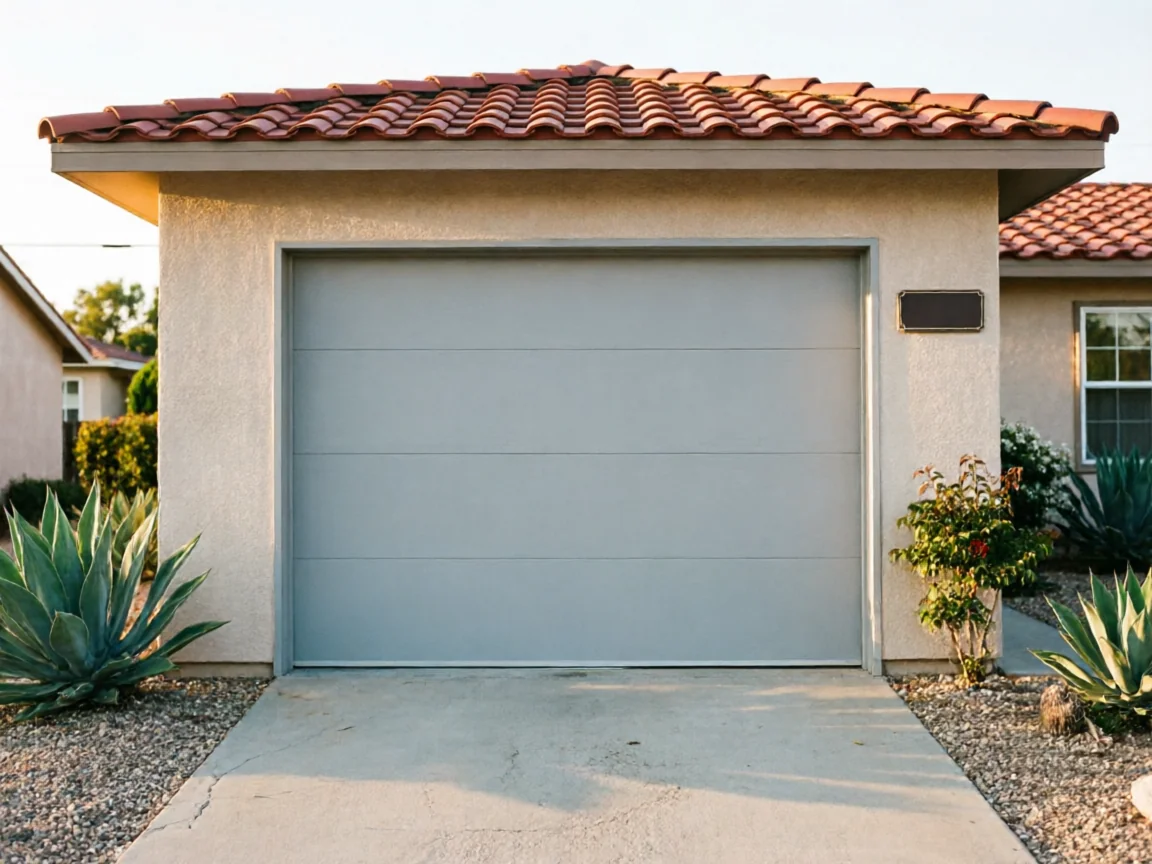
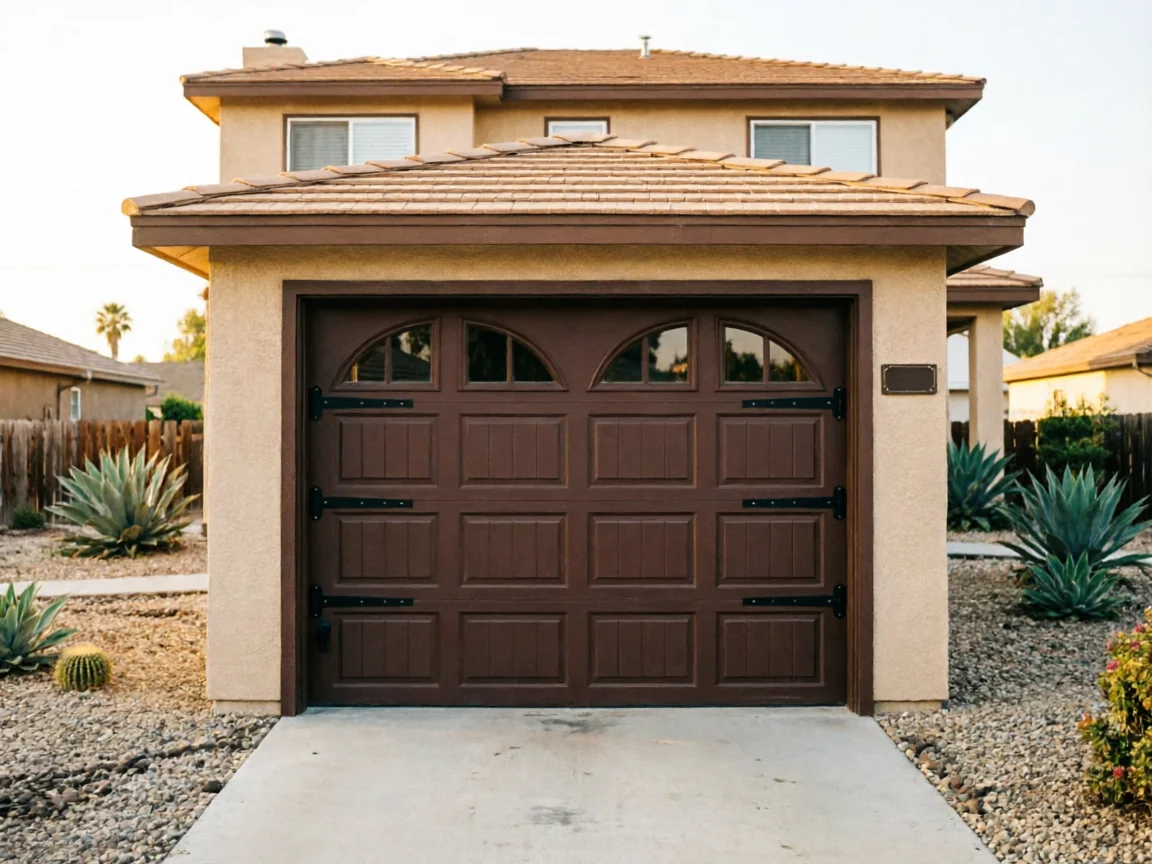
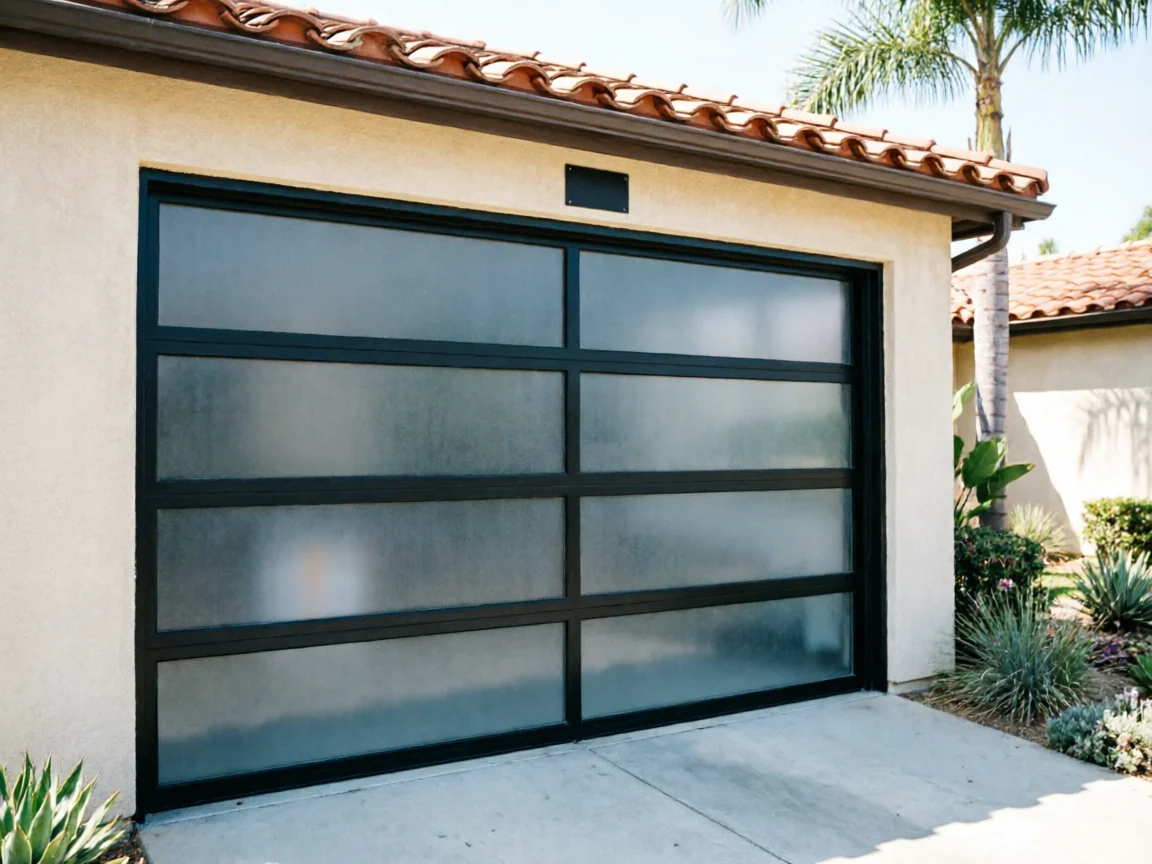
A look at doors, openers and springs we've installed and serviced across the Concord metro.
Where We Work
Serving Concord & nearby communities
Neighborhoods across the city and suburbs around the metro. Not sure if we reach you? Just ask.
Local Expertise
What to know about garage doors in Concord
What Gets Built Around Here
Most of the garage doors we open up in Concord sit on houses built somewhere between 1938 and 2008, with the bulk of that stock going up in the 1960s and 70s. That's not a guess - it's the pattern across the 39 named areas we work in, from the neighborhoods a few miles out toward Pacheco and Pleasant Hill to the streets closer to Clayton and Bay Point. A door installed in 1968 doesn't behave like one installed last year. The torsion hardware is older, the tracks have usually been repainted at least once, and the opener - if it's even the original - is long past any parts warranty.
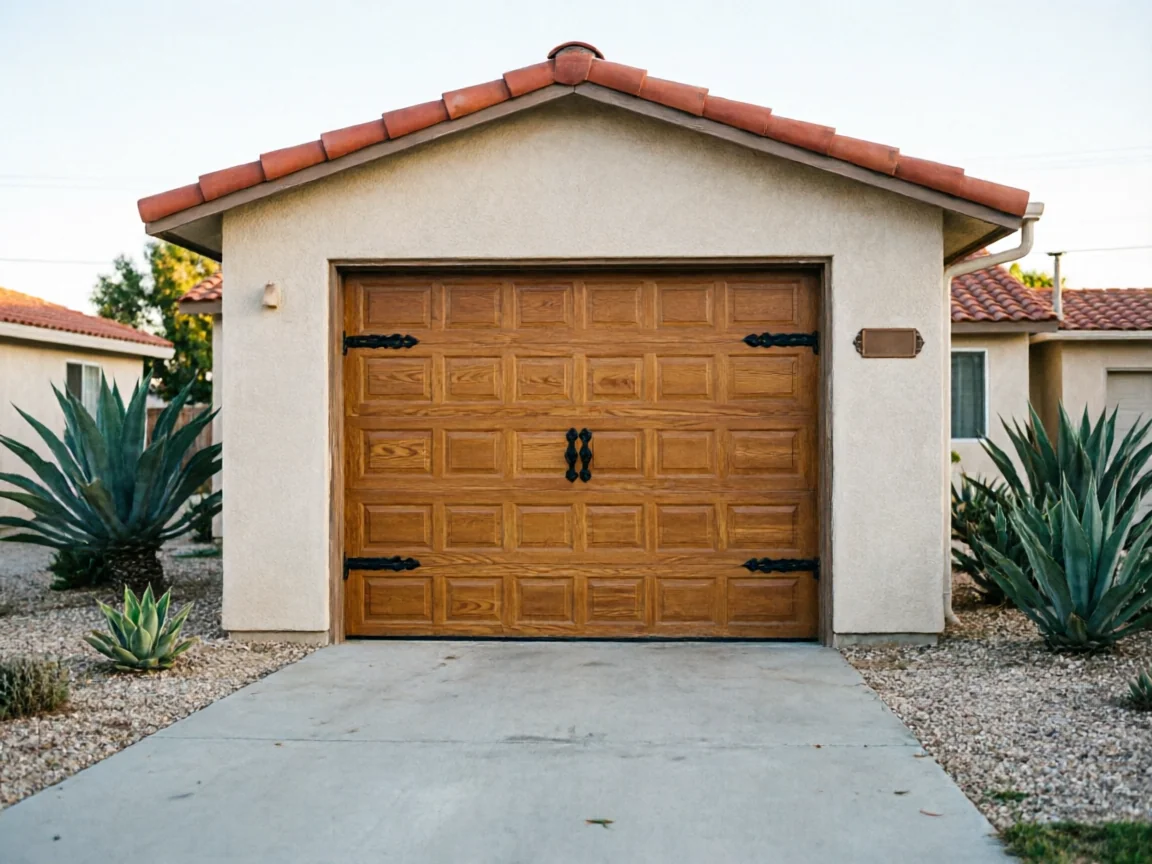
We see the same handful of door types over and over: single steel panel doors on side-mount torsion springs, older wood-composite doors that have swelled and warped with age, and a wave of mid-2000s builder-grade doors that are now old enough to need real work instead of a quick fix. If you live on a street where half the houses look like they came from the same development, your door probably has a twin two doors down - and that twin has probably already broken the same way yours is about to.
When Repair Is Not Worth It
We'll tell you straight when fixing the door costs more sense than it saves. A single broken torsion spring on a door that's otherwise sound is almost always worth repairing - it's a contained job. But if the door itself is a 1970s wood panel that's delaminating at the bottom corners, or the track is bent in more than one place from years of a car clipping it, you're usually better off replacing the whole unit instead of chasing problems one at a time.
We also won't try to match a 50-year-old panel design with a part that doesn't exist anymore. Some of the original doors from that era used hardware nobody stocks now, and hunting for a matching replacement panel can cost more in time than just moving to a new door. If that's your situation, we'll say so before we start charging you for parts we have to special-order or improvise around. It's a smaller job for us, but it's the right call for you.
How a Call Goes
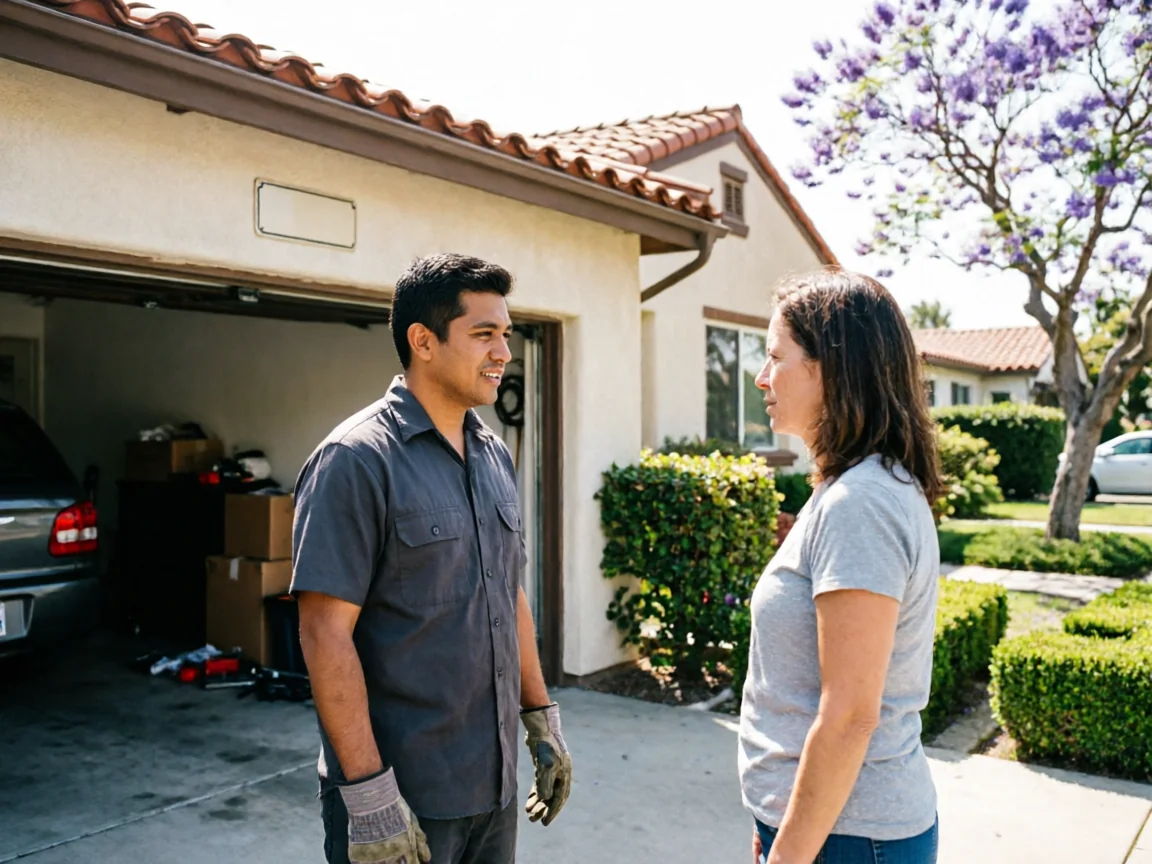
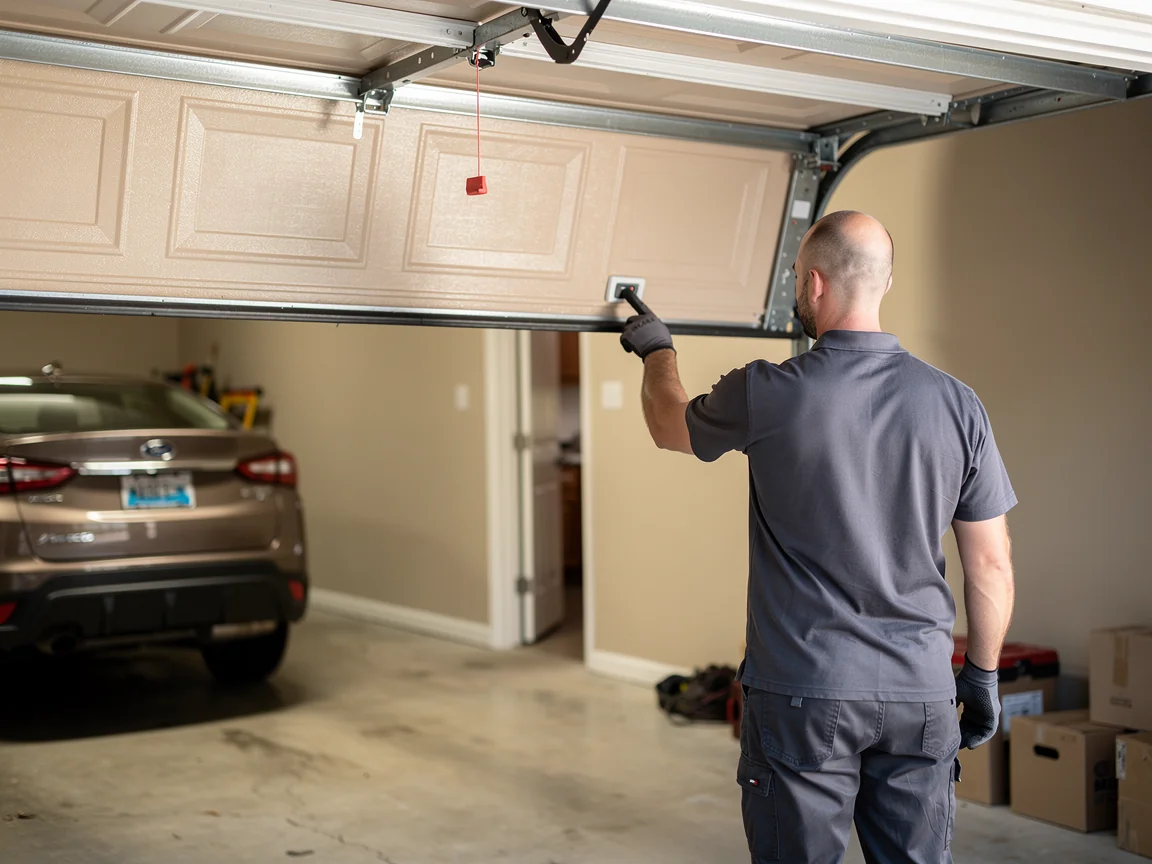
You call, you describe what the door is doing - won't open, slams shut, makes a grinding noise, opener runs but the door doesn't move - and we ask a few questions to figure out whether it's a spring, cable, track, or opener problem before anyone drives out. That matters because a door that won't budge is often a safety issue, not just an inconvenience, and torsion springs under tension are not something to poke at yourself.
Once we're there, we look at the whole system, not just the symptom. A broken cable on an old torsion setup, for instance, is often a sign the spring is near the end of its life too, and replacing one without checking the other just means a second call in a few months. We explain what's wrong, what it costs to fix, and what the options are if there's more than one way to handle it. You decide before any work starts.
What You Pay For
You're paying for the diagnosis as much as the parts. A door that's been slamming shut for two weeks might look like a spring problem and turn out to be a bent track pulling the rollers out of alignment - fix the spring alone and the door still won't run right. Getting that call correct the first time is most of the job.
The rest is straightforward: the part itself, the labor to install it correctly, and making sure the door is balanced and safe to use when we leave. We don't upsell a full opener replacement when a logic board reset or a sensor realignment solves it. Given the household incomes across this area, most homeowners we work with want the door fixed right, not the most expensive version of fixed - and that's generally the job we do.
The Jobs That Come Up Most
Broken torsion springs lead the list, by a wide margin, on doors installed during the 1960s and 70s building wave. Those springs have a working life measured in cycles, not years, and a door that's opened and closed twice a day for decades eventually just breaks one morning without warning.
After that: off-track doors, usually from a car bumping the bottom panel or a roller finally giving out after years of corrosion, and opener failures on units that are themselves 15 to 20 years old. We also get a steady run of cable snaps on the older side-mount torsion setups, and panel damage on the softer wood-composite doors that were common in builds from that era. None of this is exotic - it's just what happens to a garage door system that's been doing its job quietly for 50 years in a mild coastal climate that doesn't freeze or warp wood the way harsher climates do, but does let rust creep into hardware that never gets replaced.
Good to Know
Frequently asked questions
Why does my garage door spring keep breaking?
Torsion springs have a rated number of open-close cycles, not a calendar lifespan. On a lot of the 1960s and 70s builds around Concord, the original spring is still in place and simply reaching the end of that cycle count. If yours has broken more than once in a short stretch, the spring may be undersized for the door's weight, which is worth checking during the repair.
Is it worth replacing an opener instead of fixing it?
If the opener is original to a decades-old house and the logic board or motor has failed, repair parts are often harder to source than for the door hardware itself. We'll look at what's actually broken first - sometimes it's a sensor or a simple reset - before recommending a full replacement.
Do older wood garage doors in this area need special handling?
Yes. Wood-composite doors common in the 1960s-70s building stock here tend to swell at the bottom panel over time, even in a mild climate without heavy freeze-thaw cycles. That swelling can throw off the track alignment, which is why a wood door repair often starts with checking the track, not just the panel.
Need a garage door fixed in Concord?
Call now or request a quote - tell us what the door is doing and where you are.